|
|
|||||
|
|||||
| Arms race | |||||
|
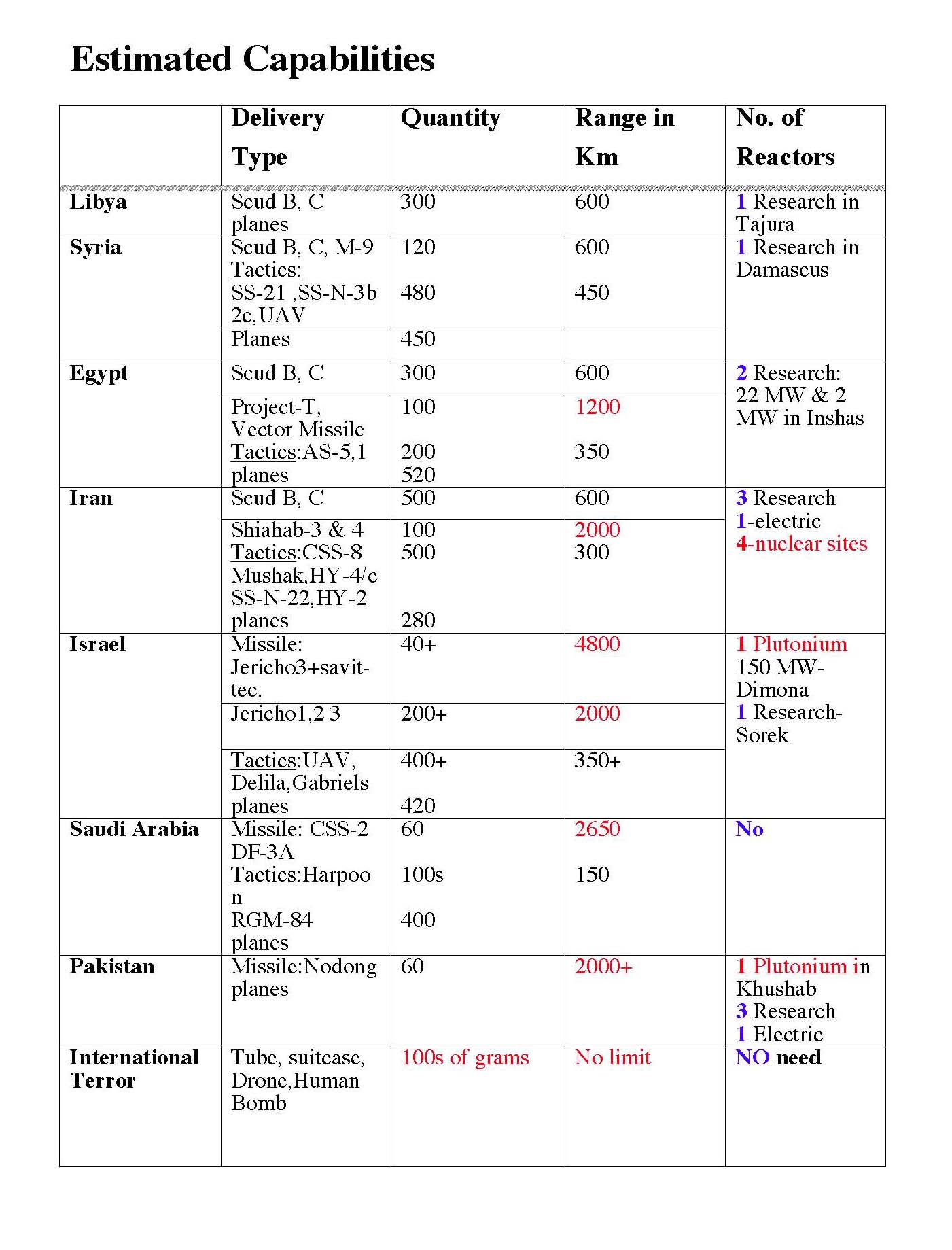
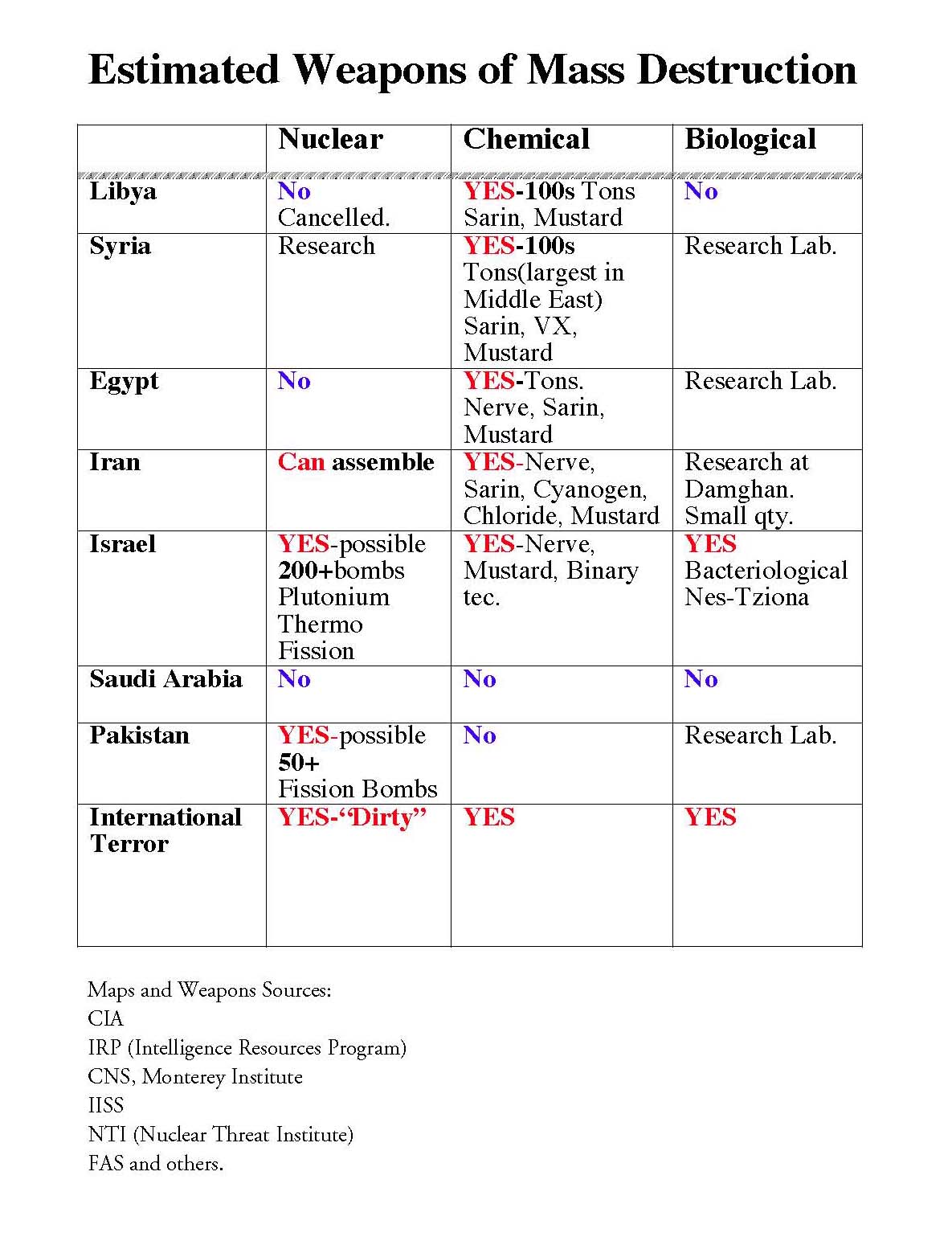
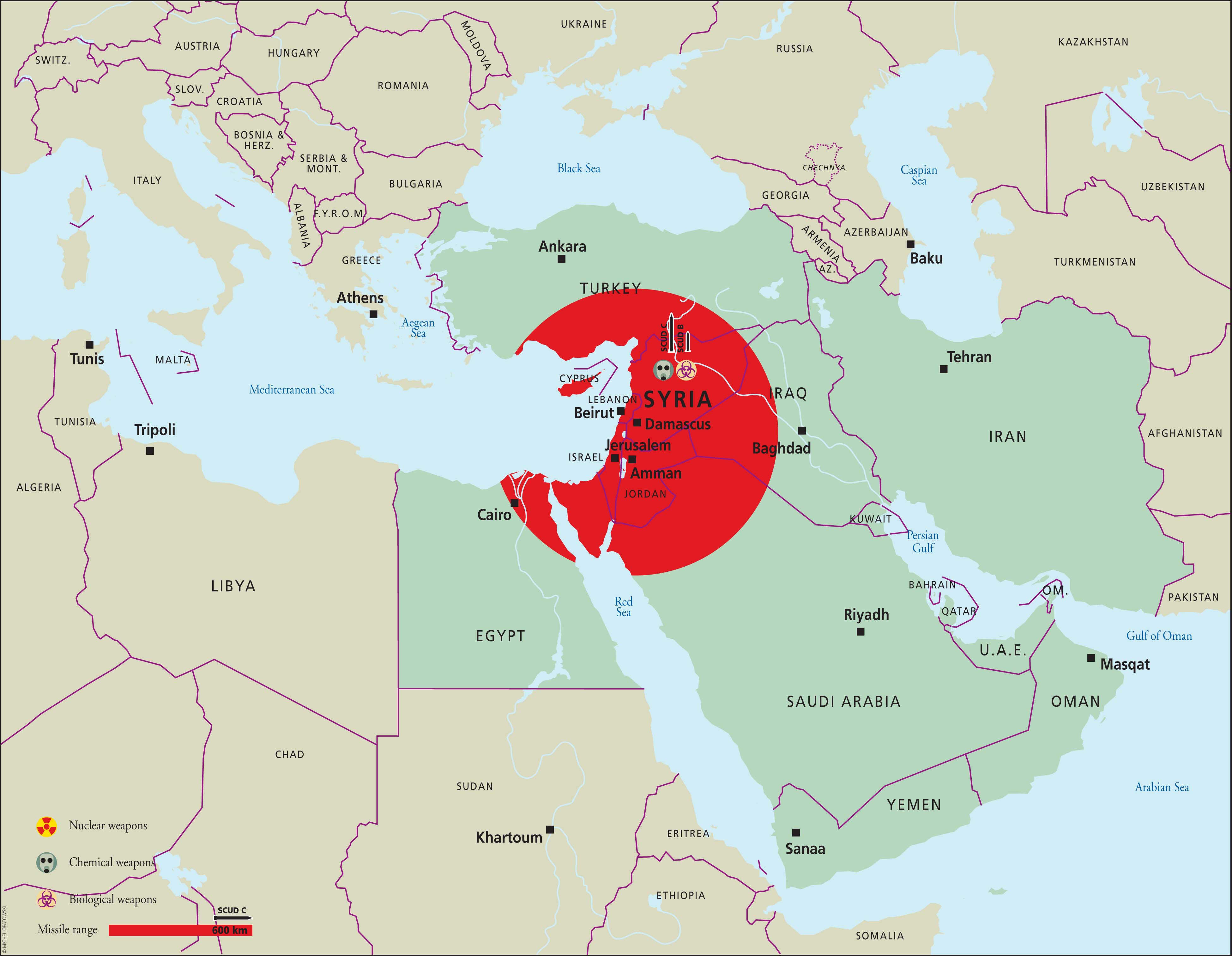
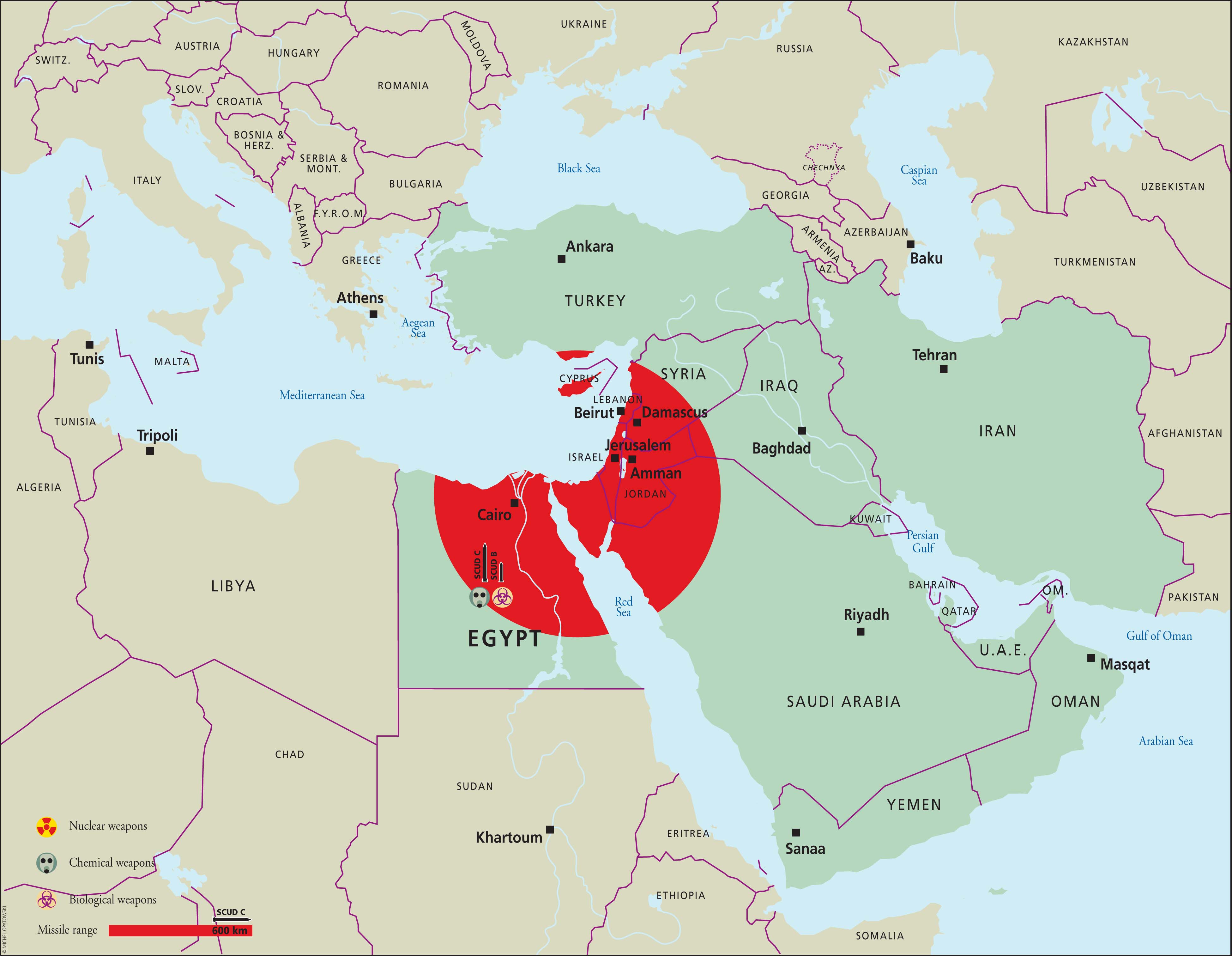
Israel's arming itself with weapons of mass destruction, from its founding in 1948 until today - first with biological and chemical weapons, and later with nuclear weapons - pushed the states of the region into an arms race in this field too. For many, the nuclear weapon in Israel's hands creates the illusion of security and deterrence. In fact, the nuclear weapon drove the neighboring states to equip themselves with chemical weapons, also called "the poor man's nuclear weapon". This is not deterrence but a balance of terror. Today Israel is threatened by its neighbors with missiles carrying chemical warheads: Syria and Egypt have more than 1,200 launchers capable of hitting every point in the country. In the Second Lebanon War it was shown that Israel has no answer to the "primitive" missiles of Hezbollah, let alone to the missiles of Syria, Egypt or Iran. This threat is not imaginary. Every chemical warhead can cause the deaths of thousands. An unconventional war in our region could lead to the deaths of tens of thousands of Israelis and the injury of hundreds of thousands, even if Israel keeps its nuclear monopoly. Israel's interest is to disarm the entire Middle East of all weapons of mass destruction: nuclear, chemical and biological. The states of the region have more than 3,000 unconventional missiles and bombs. And if Iran has an atomic bomb, it will be the 3,001st. Why does Israel seek to prevent the 3,001st bomb or to dismantle it, rather than start by dismantling the first and second bombs that already threaten it now, and not at some point in the future? Israel's unconventional power is almost identical to that held by a power such as China, and yet it cannot protect its residents from unconventional weapons delivered by ballistic missile. Israel's immense power should be channeled into disarming the Middle East of this weapon. This is possible and can be inspected, similar to the situation in Iraq under UN supervision, with Hans Blix and UNSCOM. It is a process that takes years, but its results are immediate.
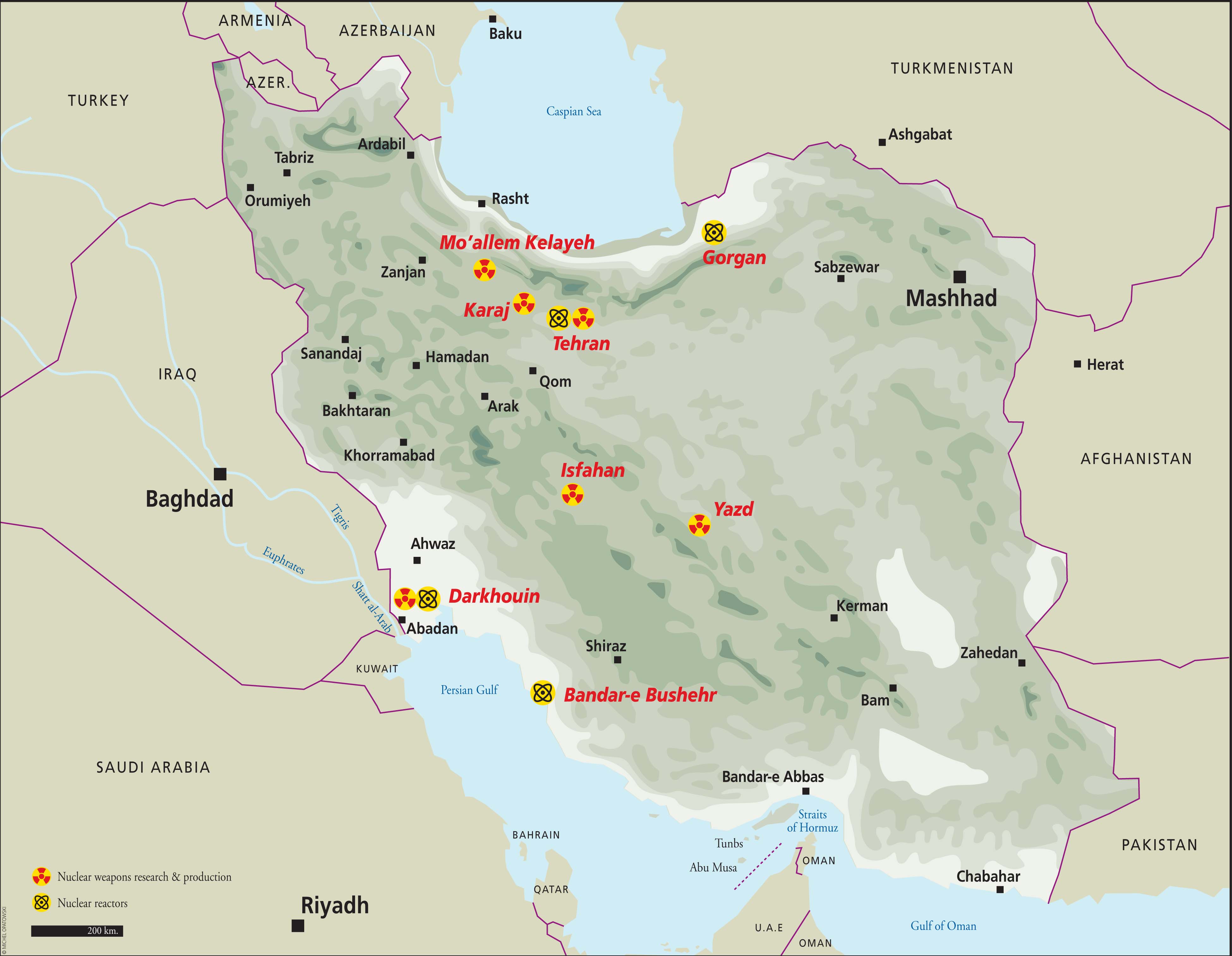
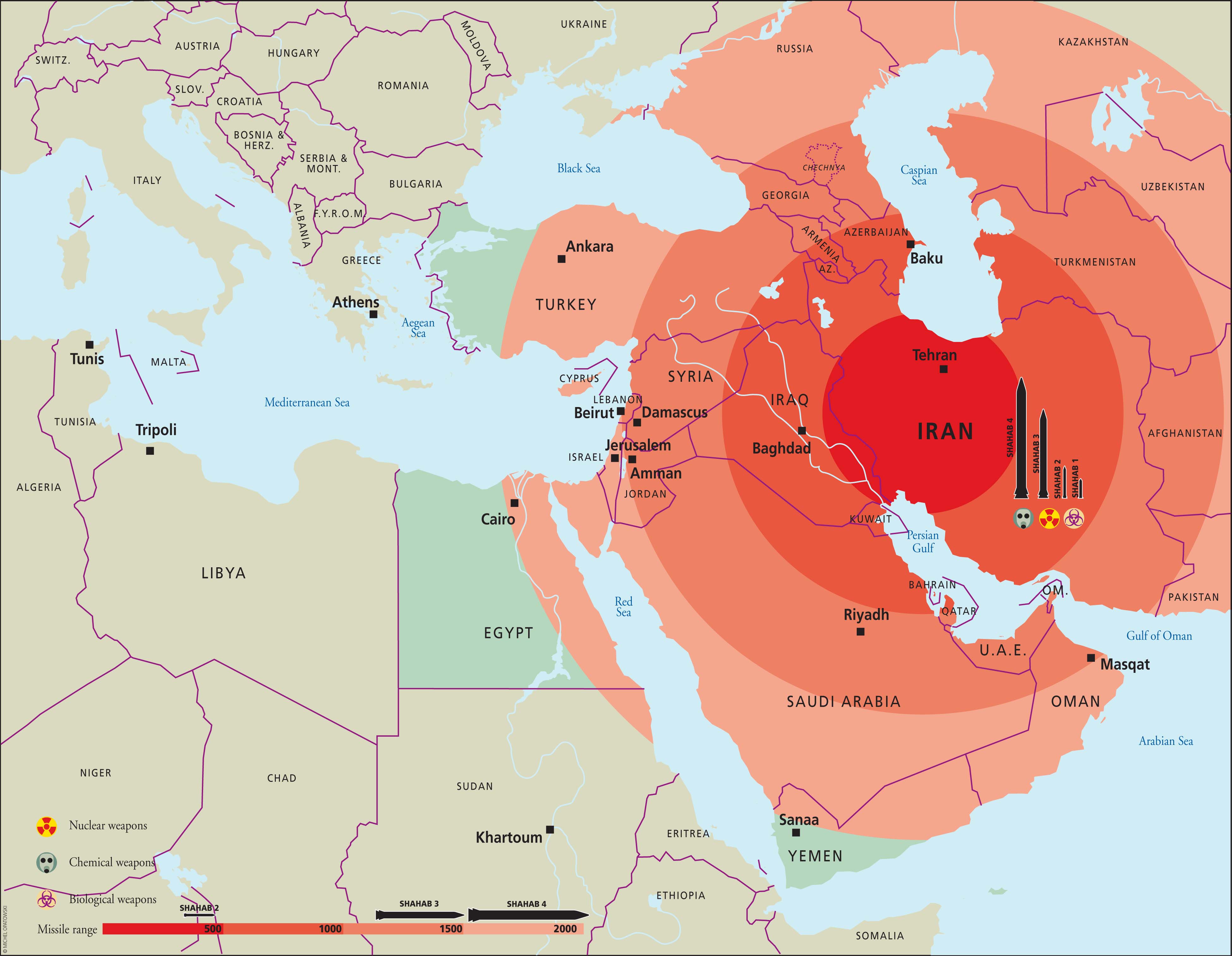
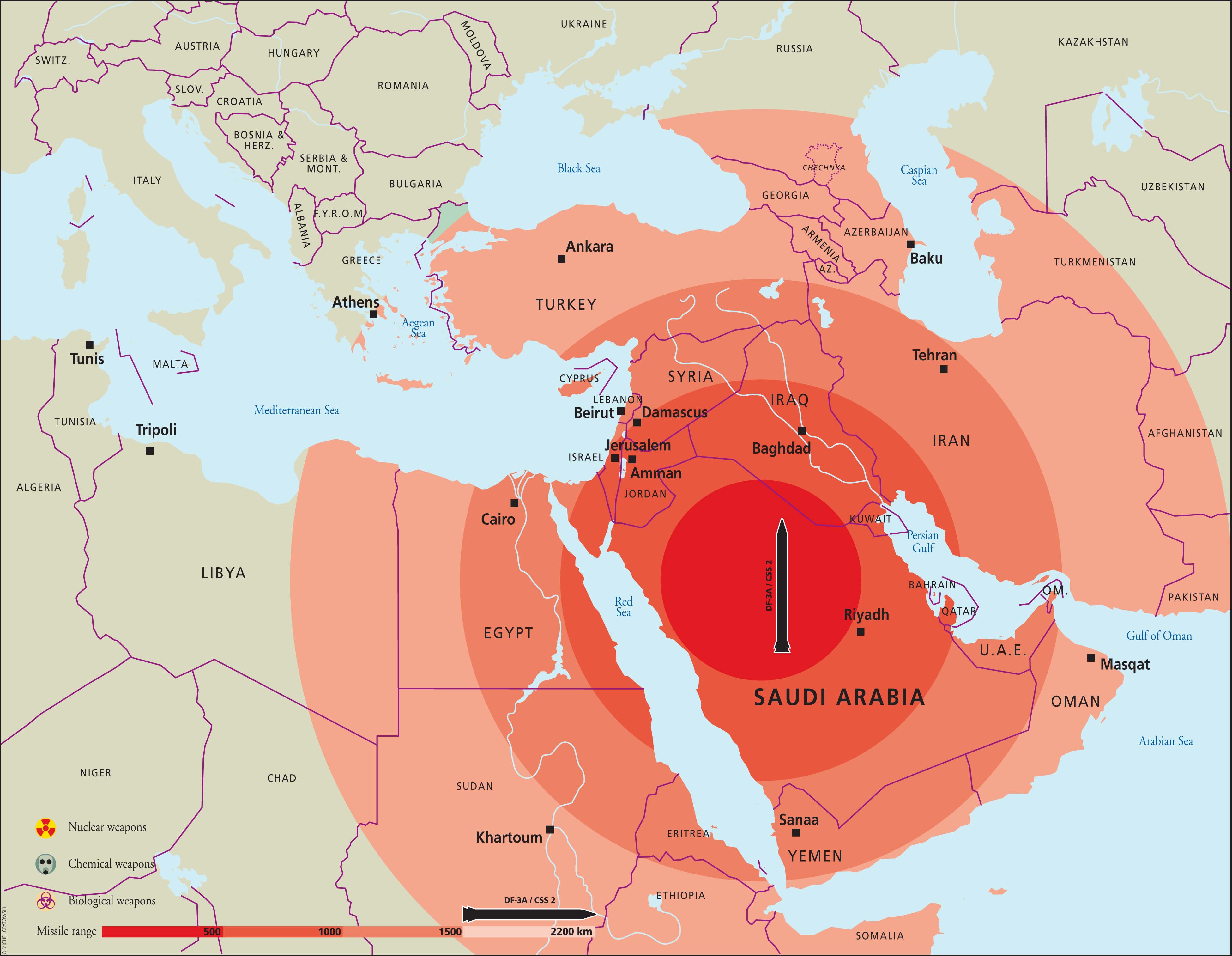
Table estimating the quantities and ranges of the missiles held by Israel's neighbors Table estimating the types of weapons of mass destruction held by the states of the Middle East Map of the range coverage of Iranian missiles Map of the range coverage of Syrian missiles Map of the range coverage of Egyptian missiles Map of the range coverage of missiles held by Saudi Arabia Map of the range coverage of missiles held by Israel
Sources for the maps and tables: CIA
Part of this information was presented at a symposium held at the National Security Research Center at the University of Haifa, in November 2004.
* The video clip is taken from the film War Games (1983). The only winning move is not to play. |
|||||